Site Banner

Keynote Speakers

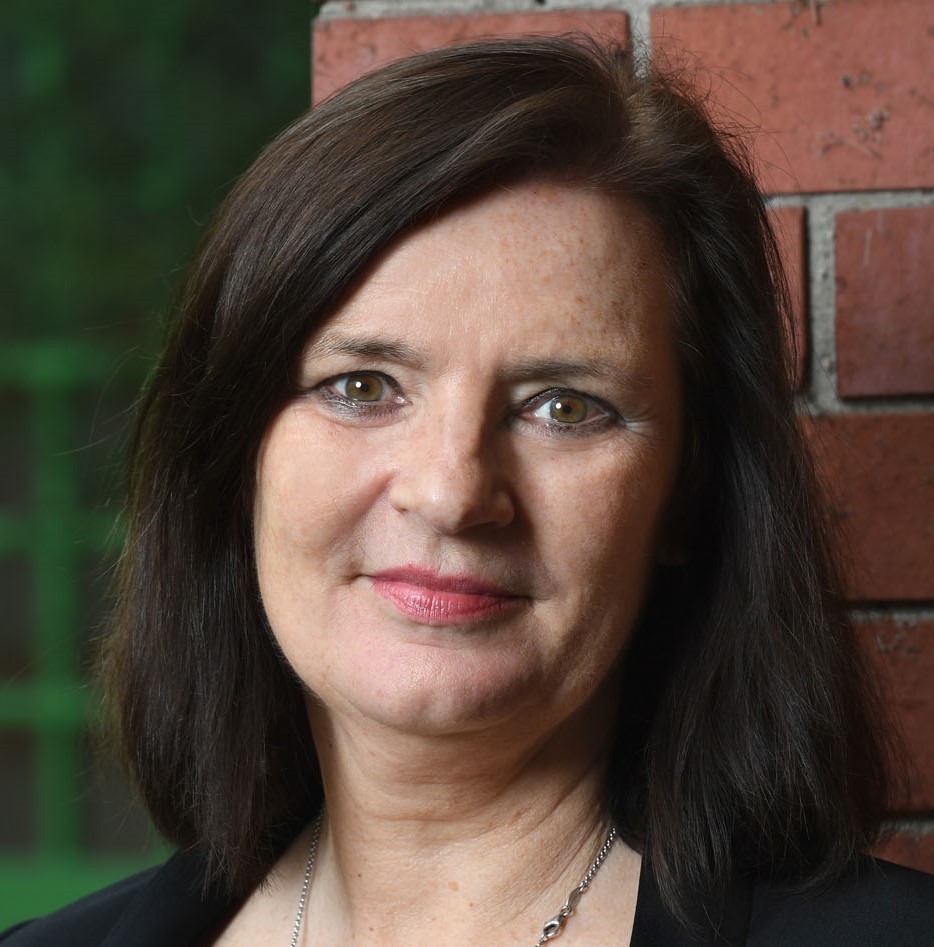
Professor Ingrid Schoon

Professor of Social Policy
Chair of Social Policy,
University College London,
Social Research Institute,
55-59 Gordon Square,
London WC1H 0AL, United Kingdom
Biography
Professor Ingrid Schoon is Professor of Social Policy at University College London, Social Research Institute. She is a Fellow of the British Academy of Social Sciences (FAcSS) and the Social Science Centre (WZB) in Berlin. Her research focuses on the study of risk and resilience in the transition to adulthood, social inequalities in skill development, attainment and wellbeing. As an educational researcher she combines perspectives from social, developmental and educational psychology as well as sociology within evidence synthesis and longitudinal quantitative data analysis. She has published widely, including a monograph on ‘Risk and Resilience’ (2006); co-edited books on “Young People’s Development and the Great Recession: Uncertain Transitions and Precarious Futures” (2017) with John Bynner; and “Gender differences in aspirations and attainment: A longitudinal perspective” (2014) with Jacquelynne Eccles; “Transitions from School to Work: Globalisation, Individualisation, and Patterns of Diversity” (2009) with Rainer Silbereisen; all published by Cambridge University Press. Schoon has served as advisor to government departments and is a member of the OECD 2030 Competencies Framework Working Group and the UNESCO Inclusive Social Policy Lab.
Abstract
 
Title: Making the Transition to Adulthood in Times of Social Change: Risks and Opportunities 
 
The transition to adulthood is a pivotal developmental period in which young people are understood to move from education into employment, establish independent living, and begin to form long‑term relationships. These steps rarely unfold in isolation: each transition shapes the next, creating either smooth pathways toward stable adult roles or fragmented, turbulent trajectories reflecting the uneven challenges that young people encounter, including prevailing socio-economic conditions and cultural norms. Globally, nearly one in five children and adolescents today live in extreme poverty (UNDP, 2024) which, in turn, can affect their education participation. In addition, they are facing economic uncertainty, pandemics, technological shifts, political instability, and widening inequalities that can transmit disadvantage across generations. This presentation examines the risks and opportunities shaping young people’s routes into adulthood and considers how societies can better support them. A socio-ecological developmental systems (SEDS) framework for studying resilience under conditions of socio-economic adversity is introduced. This approach integrates individual characteristics, features of the wider social environment, and the dynamic processes through which young people engage with their contexts over time. It offers a multi-systemic lens for understanding why some young people find themselves on distinct pathways and contextualizes young people’s experiences in historical and socio-economic circumstances.
Dr Lam Ching Choi
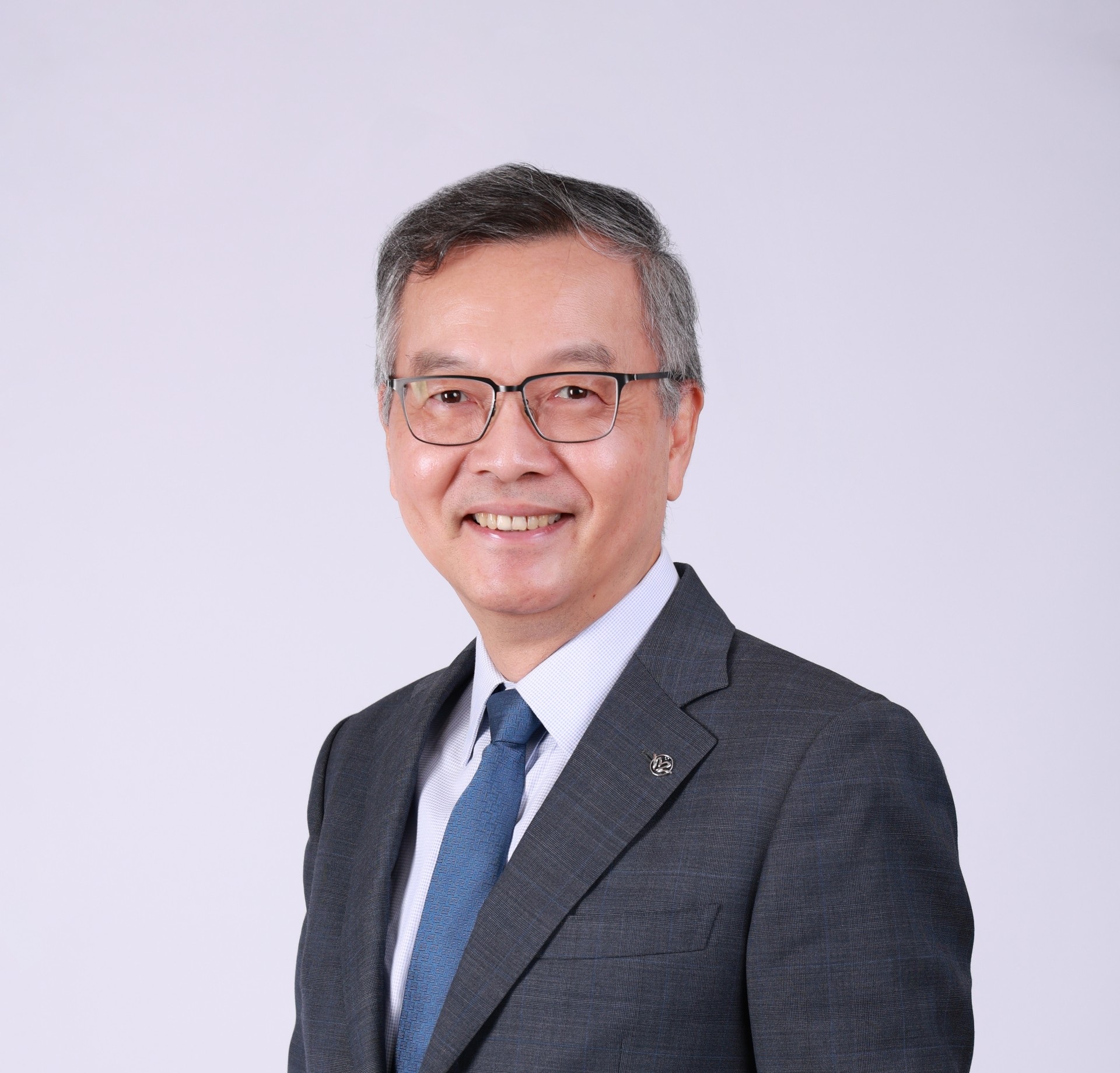
Dr Lam Ching Choi GBS, JP
Chief Executive Officer,
Haven of Hope Christian Service
Chairman, Advisory Committee on Mental Health, Health Bureau;
Council for Carbon Neutrality & Sustainable Development;
Elderly Care Service;
Industry Training Advisory Committee; ICAC Complaints Committee;
Healthcare & Wellness Training Board, Vocational Training Council, HKSAR, China
Biography

Dr Lam is a specialist in paediatric and community medicine and is currently Chief Executive Officer of Haven of Hope Christian Service. Under his leadership, Haven of Hope Christian Service is one of the pioneers in the provision of holistic care for the elderly in Hong Kong. With his extensive knowledge of local public health policies and services, Dr Lam has sat on multiple statutory and advisory bodies. He is a non-official member of the Executive Council of the HKSAR Government. Prior to his current position as the Chairman of the Advisory Committee on Mental Health, he served the Elderly Commission for almost 20 years, and he was once the Chairman of the Commission. He now also serves as the Chaiman of the Council for Carbon Neutrality & Sustainable Development, the Healthcare & Wellness Training Board of the Vocational Training Council, the Industry Training Advisory Committee of Elderly Care Service and the Independent Commission Against Corruption Complaints Committee. He is also a member of the Green Technology & Finance Development Committee, the Primary Healthcare Committee, as well as the HK Housing Society to provide advice to the government on various policies. Dr Lam was honoured by the HKSAR Government with the Justice of Peace in 2003 and Gold Bauhinia Star in 2025. In 2018, apart from receiving Honorary Fellowship from Lingnan University, he also received the Ageing Asia Global Ageing Influencer Award (Special Recognitions) and Smart Ageing Leader Award 2024 in recognition of his devotion to public services and his influence on policy-making for the global ageing trend.
Abstract
 
Title: The Implications of Resilience Training and Research for Mental Health Policies
 
This presentation examines how evidence-based resilience training can inform mental health policy development, drawing on Hong Kong's recent initiatives.  The Hong Kong Polytechnic University's "Resilient Students Training Hub" (ReST Hub) adopts a strengths-based, trauma-informed, and preventative approach to promoting youth mental health.  It achieves this by empowering the PolyU community with a shared language to talk about mental health and equipping students with essential skills to strengthen their resilience in a safe, engaging, and accessible environment.  Concurrently, the Education Bureau's 4Rs Mental Health Charter—encompassing Rest, Relaxation, Relationships, and Resilience—mandates schools to integrate resilience-Equip students to adapt to the inevitable stress and setbacks in life, and teach students to deal with emotions, cope with stress and overcome difficulties with a positive attitude.  These efforts demonstrate a tiered model where academic research directly shapes universal prevention strategies.  The findings advocate for policies that prioritise early, school-based resilience programmes to mitigate long-term mental health risks and reduce stigma.
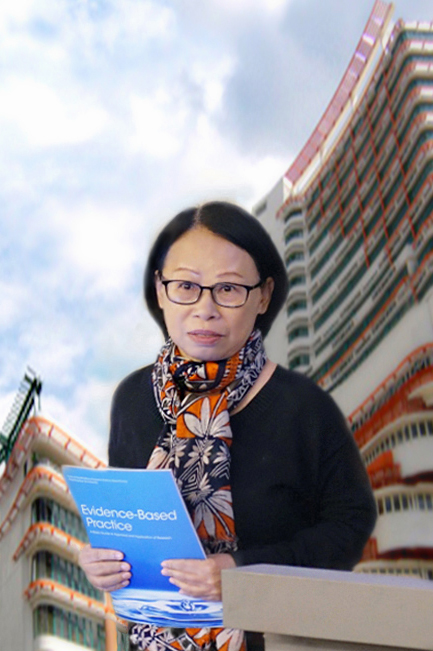
Professor Catherine So-kum Tang
Distinguished Professor of Research
Director, Mrs Dorothy Koo & Dr Ti Hua Koo Centre for Interdisciplinary Evidence-based Practice & Research,
Hong Kong Shue Yan University,
HKSAR, China
Biography
Professor Catherine So-kum Tang obtained her PhD in Clinical Psychology from the University of North Texas, USA. She served as a tenured Professor of Psychology at the Chinese University of Hong Kong until 2007, and subsequently at the National University of Singapore until 2020. Professor Tang joined Hong Kong Shue Yan University in 2020 and served as Vice President (Graduate School) until 2025. She is currently a Distinguished Professor of Research. Professor Tang has extensive experience in academic leadership, including heading academic departments, developing and leading postgraduate programmes, establishing and managing interdisciplinary research centres, and chairing university-level committees. She is also an active and highly productive researcher, with over 300 academic publications. Her research interests encompass human resilience and adaptation to life adversities and trauma, behavioural addiction, violence against women, and health psychology. Her scholarly work has received 15,385 citations (h-index = 73) on Google Scholar and 7,046 citations (h-index = 50) on Scopus. Professor Tang has been listed among the World’s Top 2% Most-Cited Scientists (both annual and career impact) by Stanford University from 2021 to 2025. She has secured substantial research funding for large-scale projects from various funding bodies, including highly competitive grants awarded by the Ministry of Education in Singapore and the Hong Kong Research Grants Council.
Abstract
 
Title: Generations in Transition and Adversity: Mapping Resilience and Mental Health Functioning among Chinese in Hong Kong from Generation Alpha to Baby Boomers
 
Generation membership exerts a profound influence on mental well being through distinct historical trajectories, sociocultural norms, technological contexts, and cumulative life experiences. Beyond chronological age effects, generational cohorts differ systematically in their exposure to adversity, access to protective resources, and patterns of resilience, with significant implications for public mental health policy. This keynote presentation synthesizes findings from a series of large scale, interdisciplinary studies conducted by research teams at the Hong Kong Shue Yan University and other local universities. These studies examined resilience processes and mental health functioning among Chinese residents in Hong Kong, spanning Generation Alpha to the Baby Boomer cohorts. Drawing on population based data, the research identifies multilevel psychosocial and community resilience factors associated with mental health outcomes, encompassing individual attributes (such as personal resilience, emotion regulation strategies, and meaning making capabilities), interpersonal resources (including family resilience and social support networks), and broader community and structural supports. The presentation further explores how different generations have navigated childhood adversity, interpersonal trauma, and collective stressors, such as public health emergencies (e.g., successive COVID 19 outbreaks) and community wide disruptions arising from natural and human related disasters. These findings highlight both shared vulnerabilities and cohort specific adaptive pathways shaped by Hong Kong’s unique sociocultural environment. These research findings underscore the limitations of one size fits all mental health approaches and point to the need for generation responsive strategies across sectors. Implications are discussed for the healthcare system in terms of stepped, lifespan oriented mental health services; for the education sector through early identification and school based resilience promotion; and for the social welfare sector via community embedded, family centred, and trauma informed support models. By adopting a multigenerational lens, this presentation aims to inform integrated, evidence based policies that strengthen resilience and psychological well being across the lifespan in a rapidly changing sociocultural context.
Organised By
Co-organisers
Partners